


Are You Sure You're Ready to Trade Your Smartphone ?
- meagan bains
- Apr 2
- 4 min read

In a world where kids swipe screens before they can tie their shoes, and fast-paced living leaves little room for slow, meaningful experiences, it’s easy to wonder: what are we really teaching the next generation? Technology fills their days, but often in ways that don’t build practical skills or connect them to the natural world. Have you noticed how many young people can’t cut grass, bake from scratch, or even write in cursive anymore? This is just the surface of a much deeper issue.
What if the answer to many modern frustrations—messy homes, chaotic schedules, tight budgets—lies in something as simple as gardening? Growing your own food not only moves your body but also feeds your mind and soul. It teaches patience, responsibility, and self-reliance. The more you care for your garden, the more it rewards you. This blog explores why slowing down and embracing natural learning through gardening might be the reset button we all need.
The Fast-Paced Society and Its Impact on Learning
Our society moves quickly. Kids grow up surrounded by screens, digital media, and instant entertainment. While technology offers incredible tools for learning, many children use these tools mainly to consume content passively. This creates a mindset where instant gratification is the norm, and deeper, hands-on skills fall by the wayside.
Digital consumption vs. digital creation: Watching videos is easy. Creating something with your hands, like planting a seed or baking bread, takes time and effort.
Loss of traditional skills: Skills like mowing the lawn, cooking from scratch, or writing in cursive are disappearing from everyday life.
Short attention spans: Constant digital stimulation can make it harder for kids to focus on slower, more rewarding activities.
This shift affects not only children but adults too. When was the last time you felt truly connected to your environment or proud of something you grew or made yourself?
Why Natural Learning and Ecological Education Matter
Have you ever wondered why forest education, natural learning, or ecological landscape development aren’t part of mainstream schooling? These approaches teach us about the world by immersing us in it, rather than through screens or textbooks alone.
Hands-on experience: Kids learn best by doing—touching soil, observing plants, and understanding ecosystems.
Connection to nature: Spending time outdoors improves mental health, reduces stress, and boosts creativity.
Sustainability awareness: Learning how food grows fosters respect for the environment and encourages sustainable choices.
Gardening is a perfect example of natural learning. It’s not just about growing food; it’s about growing knowledge, patience, and a sense of responsibility.
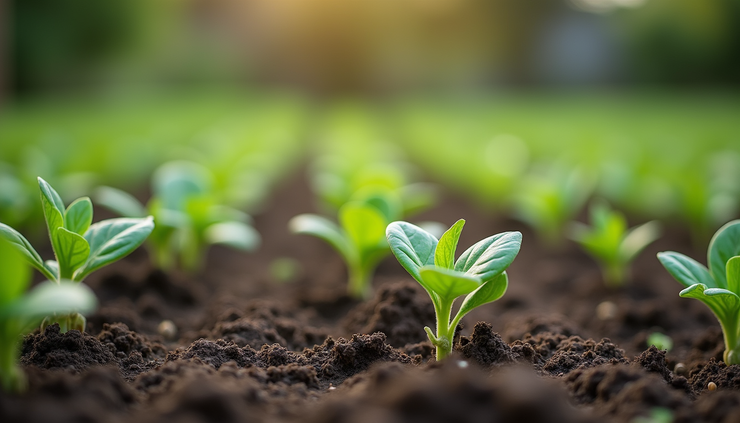
This backyard garden shows how simple spaces can become classrooms for natural learning and growth.
Gardening as a Solution for Modern Life’s Messiness
Is your house cluttered? Is your job overwhelming? Do you feel like time and money are slipping through your fingers? Gardening offers solutions beyond just fresh vegetables.
Physical activity: Gardening gets you moving without the pressure of a gym. It’s gentle exercise that improves strength and flexibility.
Mental clarity: Tending plants requires focus and mindfulness, helping to regulate emotions and reduce anxiety.
Financial savings: Growing your own food cuts grocery bills. Preserving harvests in jars costs pennies compared to store-bought goods.
Teaching responsibility: Kids learn that plants need care and attention, which builds patience and a sense of accomplishment.
Think about how often you rush to the grocery store instead of preserving food at home. With gas prices and groceries rising, gardening can be a practical way to save money while improving your health.
Using Technology Wisely in Gardening and Learning
Technology isn’t the enemy. It can be a powerful tool when used intentionally to support learning and growth.
Educational videos: Watching gardening tutorials or documentaries can inspire and teach new skills.
Apps for plant care: Tools that remind you when to water or fertilize help beginners succeed.
Research and planning: Online resources provide information on soil types, planting calendars, and pest control.
The key is to use technology as a resource to look up from, not a distraction to stare at endlessly. Encourage kids to watch a video, then get outside and apply what they learned.
Teaching Kids the Natural Elements of Life
Kids raised with a garden learn lessons no screen can teach:
Where food comes from: Understanding the effort behind a carrot or tomato builds appreciation.
Cycles of life: Watching seeds sprout, grow, and produce teaches about growth, decay, and renewal.
Saving money: Planting seeds and harvesting an abundance shows how effort translates into value.
Patience and persistence: Gardens don’t grow overnight. Kids learn to wait and care consistently.
These lessons build character and skills that last a lifetime.
The Body’s Wisdom and the Need to Slow Down
Our bodies tell us when something isn’t right. Stress, fatigue, and restlessness are signals that we need to slow down and reconnect.
Gardening aligns with natural rhythms: It encourages a slower pace, tuned to seasons and weather.
Physical and mental balance: Moving outdoors and working with soil helps regulate the nervous system.
A break from screens: Time in the garden reduces digital overload and refreshes the mind.
Slowing down isn’t a luxury; it’s a necessity for health and well-being.
Final Thoughts: Is It Time to Trade Your Smartphone for a Shovel?
The fast pace of modern life pushes us toward convenience and speed, but this often comes at the cost of meaningful skills and connections. Gardening offers a way to reclaim time, health, and knowledge. It teaches kids and adults alike how to care for themselves and the world around them.
Start small. Plant a few seeds. Watch them grow. Use technology to learn, then step outside to practice. Your garden will teach you patience, responsibility, and the joy of creating something real.
Are you ready to trade your smartphone for a shovel and seeds? Your mind, body, and wallet might just thank you.


Comments